
Our Model
Learn how Niños de Guatemala combines education, nutrition, socio-emotional support, family engagement, digital readiness, and practical pathways to support students over time.
Students do not learn based only on what happens in the classroom. Their ability to move forward is also shaped by emotional well-being, family support, nutrition, and access to future opportunity.
That is why our model connects quality bilingual education with the support students need beyond academics.
Holistic Education Model
At Niños de Guatemala, education goes beyond textbooks. Students need strong academics, emotional support, social skills, character formation, and practical learning to grow with confidence.
Theory of Change
In the communities where Niños de Guatemala works, poverty, malnutrition, academic gaps, emotional strain, limited family support, and lack of future opportunity often reinforce one another.
That is why our response is not built around one isolated intervention.
The problem
Students in vulnerable communities face overlapping barriers that reduce learning, school continuity, and access to future opportunity.
Inputs
Outputs
Outcomes
Impact
The cycle of poverty
begins to break
Our approach
Niños de Guatemala combines holistic, bilingual education with socio-emotional support, daily nutrition, digital and vocational preparation, and family engagement. These areas are designed to work together over time so students can stay in school, strengthen their learning, build confidence, and move toward real opportunities.
Inputs
• Three schools in Ciudad Vieja and San Lorenzo el Cubo • Teachers and school leaders • Psychologist and social worker • Nutrition support • Digital and vocational learning resources • Family engagement structures • Financial, operational, and fundraising systems
Activities
• Bilingual academic instruction • Early literacy and numeracy support • Socio-emotional follow-up and emotional intelligence classes • Daily meals • Digital readiness and guided technology use • Hospitality Certification training and internships • School for Parents and family engagement activities
Outputs
• Students attend school consistently • Students receive daily learning and support services • Families participate in school life and parent sessions • Graduates access vocational preparation and internships • Teachers receive ongoing professional development
Short- and medium-term outcomes
• Better attendance and retention • Stronger academic performance • Greater confidence, emotional regulation, and student stability • Better family engagement • Stronger transition from primary to lower secondary
Long-term impact
• Greater readiness for higher education or formal employment • Students are better prepared to build stable lives, support their families, and access better opportunities • Over time, that contributes to breaking the cycle of poverty through education
What this looks like in practice
The model is not a set of separate services. It is a connected pathway. Students stay in school. They learn. They build confidence. They gain practical skills. They move toward study or work. That is how day-to-day support turns into long-term opportunity.
How we implement the model
Our model is implemented every day through our work with students and families.
Each area has a specific role, but they are designed to work together over time.

Quality education
Quality education
Students build strong foundations in reading, writing, math, English, and critical thinking through active, student-centered learning.
This program is one of the core ways we implement our holistic education model, strengthening academic learning while reinforcing critical thinking and practical skills.

Socio-emotional support
Socio-emotional support
Psychologists and social workers help students and families manage challenges that affect learning, confidence, and well-being.
We also use structured methodologies such as Franklin Covey’s The Leader in Me, which reinforces leadership, responsibility, and personal development.

Nutrition
Nutrition
Daily meals help students concentrate, attend school, and stay healthy.

Digital readiness
Digital readiness
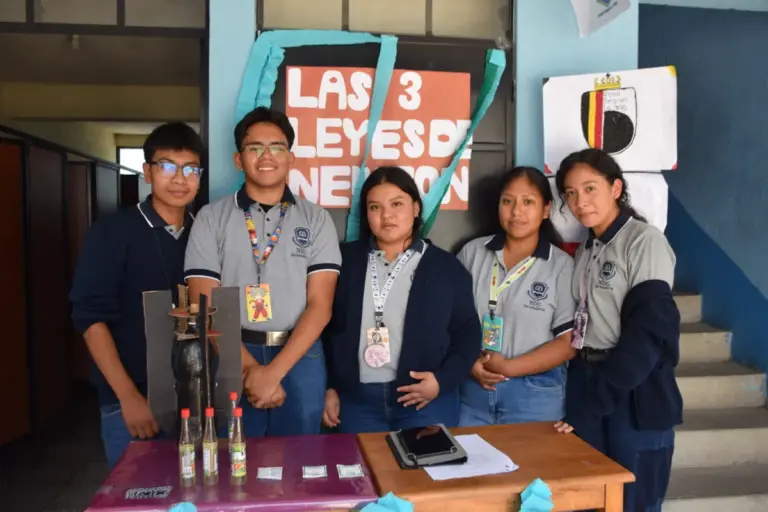
Students build practical technology skills through computer classes, guided practice, and hands-on activities such as robotics.

Hospitality certification
Hospitality certification
After graduation, students optionally receive practical training and internships that help connect education with formal work opportunities.

Family and community engagement
Family and community engagement
Families participate in school life, parent sessions, and shared responsibility activities that support student progress.

Responsible Parents Program
Responsible Parents Program
Families play an active role in the life of the school.
Through the Responsible Parents Program, parents contribute their time and support in practical ways. This includes participating in school activities, supporting daily operations such as meal preparation, and helping maintain the school environment.
This involvement strengthens the connection between families and the school. It also creates a sense of ownership and responsibility, where education is not seen as something external, but as something shared.
Over time, this leads to more consistent support for students at home and a stronger school community.

School for Parents
School for Parents
Supporting students also means supporting parents.
Our School for Parents program offers monthly sessions where families can learn, reflect, and strengthen their role in their children’s education. These sessions cover topics such as:
- Communication within the family
- Supporting children’s learning at home
- Emotional development
- Values and behaviorNutrition
The goal is not only to provide information, but to create a space where parents can engage, ask questions, and share experiences.
When parents are more involved and informed, students benefit directly.
How this Makes a Difference
Family engagement is not an additional program. It is a core part of how our model works. When families are involved: • Students are more likely to stay in school • Learning continues beyond the classroom • Behavior and habits improve • Students feel supported both at school and at home This creates a more stable environment for students to grow and learn over time. Lasting change requires consistency. By working with both students and families, we create the conditions for education to translate into real opportunities.

Student Journey
From Student to Graduate: Pathways to Opportunity
From student to graduate.
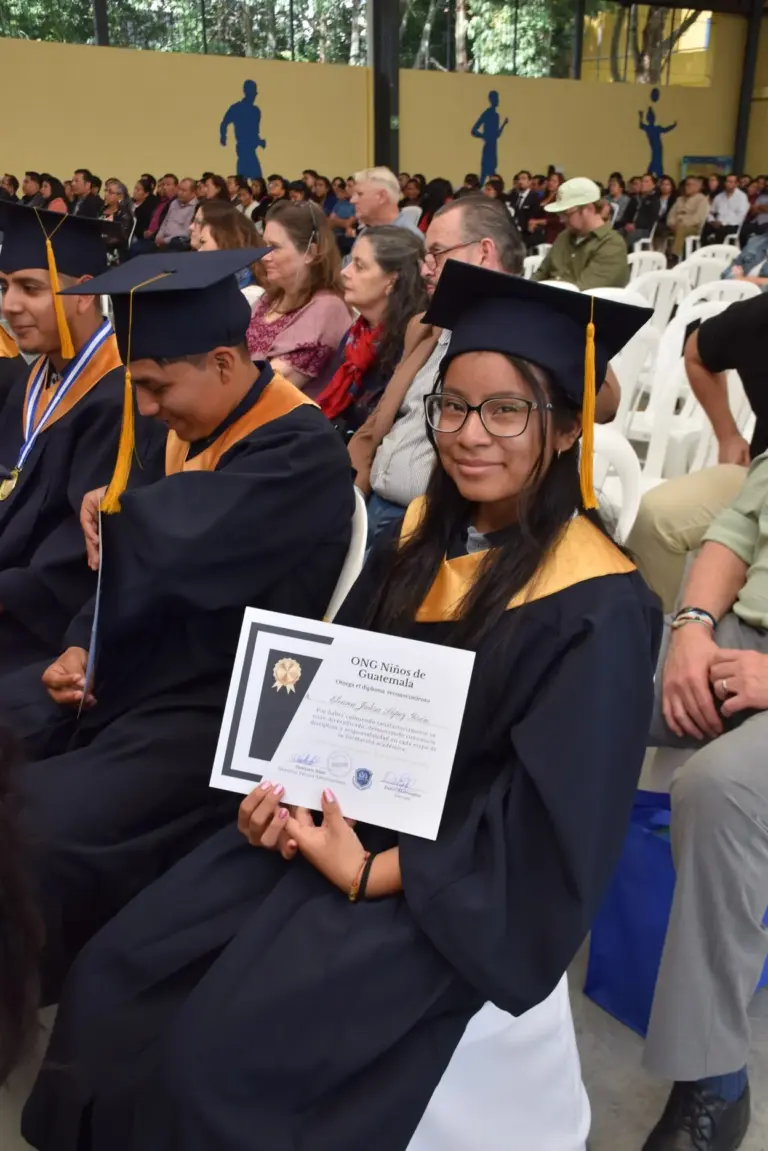
Our work is designed to support students over time. Students begin by building strong foundations in academics, habits, confidence, and emotional security. As they grow, they receive continued support through digital learning, family engagement, practical skills, and pathways toward further study or formal work.
The goal is not only for students to complete school. The goal is for them to leave better prepared for life.
One example is our Hospitality Certification Program, where students receive hands-on training in food service, customer service, and workplace skills. They also gain experience in real work environments and develop the habits and expectations required in formal employment.
How Our Model Creates Opportunity
What we Provide
Five interconnected components that work together to support students throughout their education.
Holistic Education
Bilingual, active, student-centered learningEmotional Support
Confidence, resilience, and well-being
Nutrition
Daily meals to fuel learning
Job Skills
Vocational and hospitality training
Family Engagement
Parents as partners in learning
What This Makes Possible
Together, these supports help students progress toward greater opportunity for themselves and their families.
Our goal is not only for students to succeed in school. It is for them to leave prepared for life, with the skills, confidence, and opportunities to build a different future for themselves and their families.
See Our Model